

Why Is Wireless Charging Slower Than Wired?
May 13,2025 | Threekey_global
Ever wondered why wireless charging is slower than wired? Discover the real reasons behind it—and why we still love it anyway. From physics to lifestyle, we break it down with a smile.
Let’s Be Honest: Wireless Charging Is Cool, But It’s No Speed Demon
You roll into bed, toss your phone on the charging pad, and fall asleep with a smug grin. No cable-hunting. No port-plugging gymnastics. Just pure, effortless energy. Welcome to the wireless charging club.
But then, morning comes—and your phone is… still crawling to 100%.
Why is wireless charging slower than wired? If you’ve ever asked yourself this question while watching your battery creep up like it’s stuck in Monday morning traffic, you’re not alone.
Grab your coffee and keep scrolling—we’re about to dig into the science, the lifestyle, and a little bit of sarcasm to answer this burning (but not overheating!) question.
1. The Basics: What Is Wireless Charging, Anyway?
Let’s start with the obvious: wireless charging isn’t some Harry Potter spell. It’s a technology called inductive charging—fancy talk for transferring energy via electromagnetic fields between two coils.
Your phone has a coil. The charger has a coil. They do a little energy tango when they get close enough. It’s kind of like a slow dance at prom: intimate, low-energy, and slightly inefficient.
Compare that to wired charging, where electrons shoot directly through a cable like caffeinated sprinters in a power marathon.
2. Efficiency: Wired Is the Overachiever
In the world of power delivery, wired charging is the A+ student with perfect attendance. It delivers power directly—fast, efficient, and with minimal energy loss.
Wireless charging? It's that kid in class who’s smart but distracted. About 20-30% of energy gets lost in heat and transfer inefficiencies. That means it takes longer to do the same job.
If wired charging is like filling your bathtub with a garden hose, wireless charging is like trying to fill it with a leaky watering can—held three inches above the tub.
3. Heat Happens—And That Slows Things Down
Here's something your phone doesn’t love: getting hot.
Wireless charging tends to produce more heat, thanks to all the energy bouncing around in magnetic fields. And when your device gets warm, it starts to throttle the charging speed to protect the battery.
Imagine your phone saying, “Whoa there, partner. Let’s not fry ourselves for 5%.”
On the flip side, wired chargers—especially high-wattage ones—usually have better thermal control. Some even come with built-in fans. Wireless chargers? They’re getting there, but it’s not a cool ride yet.
4. Power Delivery Limits: Wireless Charging Still Has Training Wheels
Here’s a fun fact: while some wired chargers can pump out up to 100W (yes, really!), most wireless charging pads max out at 15W, 20W, or maybe 30W if you're using a super-optimized setup.
Translation: wired = firehose. Wireless = fancy water fountain.
And guess what? Even when a wireless charger says it's 15W, your phone might only accept 7.5W or 10W based on compatibility and safety protocols.
So yeah—slow and steady doesn’t always win the race, but it does win points for convenience.
5. Misalignment Is a Real Problem (Just Ask Your Chiropractor)
With wired charging, the cable goes in, and boom—power.
But with wireless charging, you’ve gotta nail the alignment between your phone’s coil and the charger's coil. Miss the sweet spot, and you're either charging super slowly… or not charging at all.
This is why some people wake up to a phone at 12%, realizing they plopped it on the pad like a drunk raccoon.
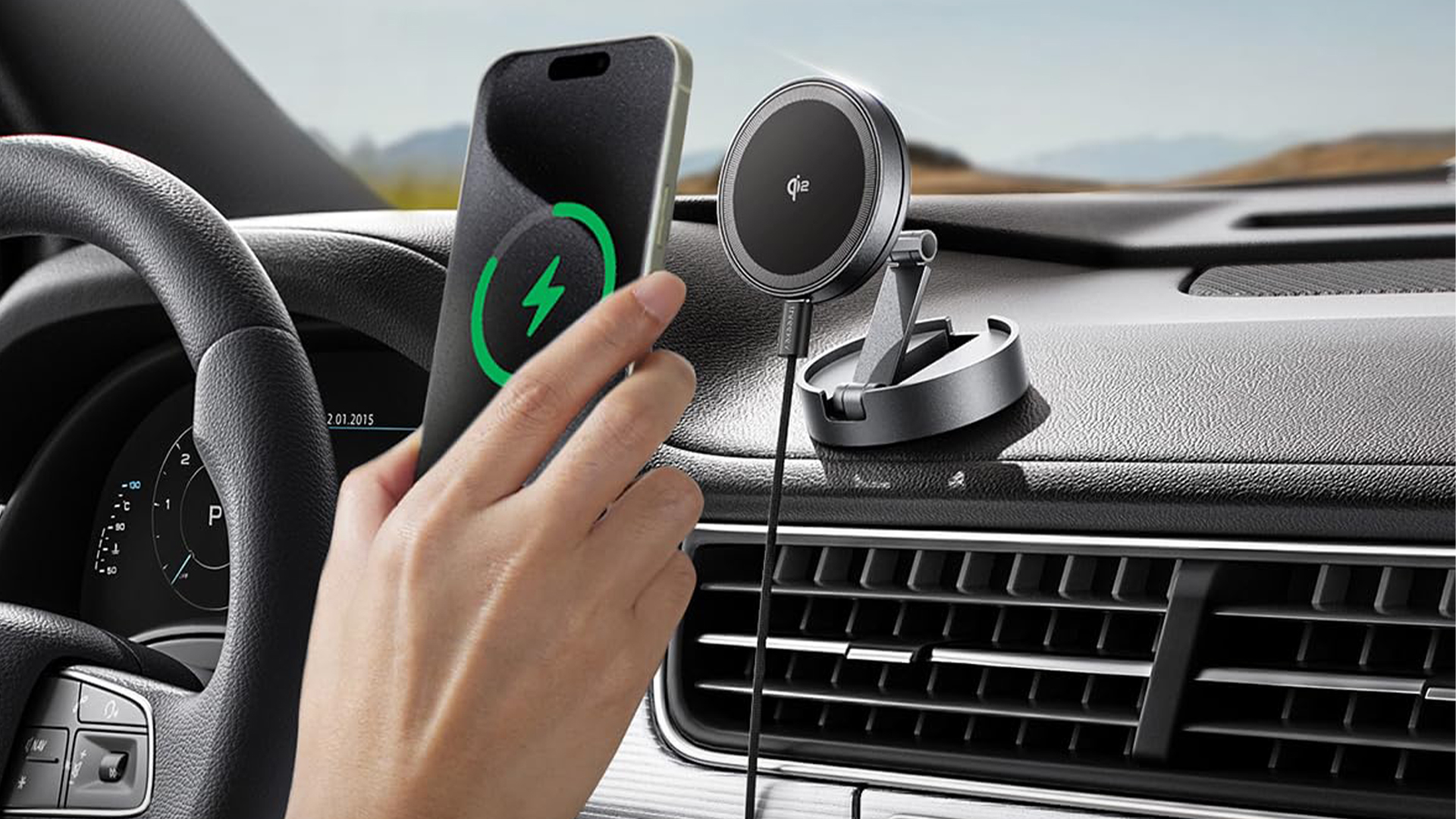
Yes, MagSafe and other magnetic wireless systems help with this, but it’s still not perfect. If you nudge your phone in your sleep (or if your cat does), you’re risking a charge fail.
6. Lifestyle Trade-Offs: It’s About Chill, Not Speed
Now let’s talk real-life use. Wireless charging isn’t built for speed—it’s built for convenience. It’s the avocado toast of power delivery: a little bougie, maybe not the most efficient, but undeniably satisfying.
Think about it:
-
You’re at your desk. Your phone’s on a wireless charging stand, letting you scroll TikTok in between emails.
-
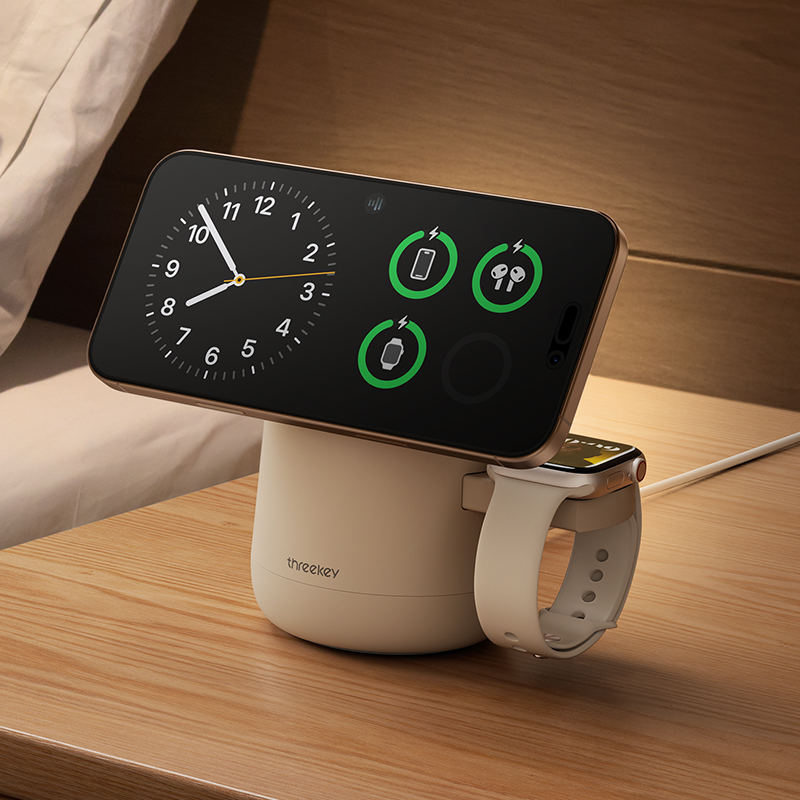
You’re in bed. You plop the phone down—no fumbling in the dark for a charging cable.
-
You’re at a café. The table has a built-in wireless charging pad. Magic.
Sure, it takes longer—but you’re not going anywhere.
Wireless charging fits our set-it-and-forget-it lifestyle. No one’s timing their phone overnight. We just want to wake up to 100%—and maybe a latte.
7. But Wait, There’s Progress!
Don’t think wireless charging is stuck in the Stone Age.
Tech is evolving fast:
-
Qi2, the wireless charging standard, promises faster, more efficient charging—and better coil alignment via magnets.
-
Brands like Apple, Samsung, and Google are constantly optimizing power management and heat dissipation.
-
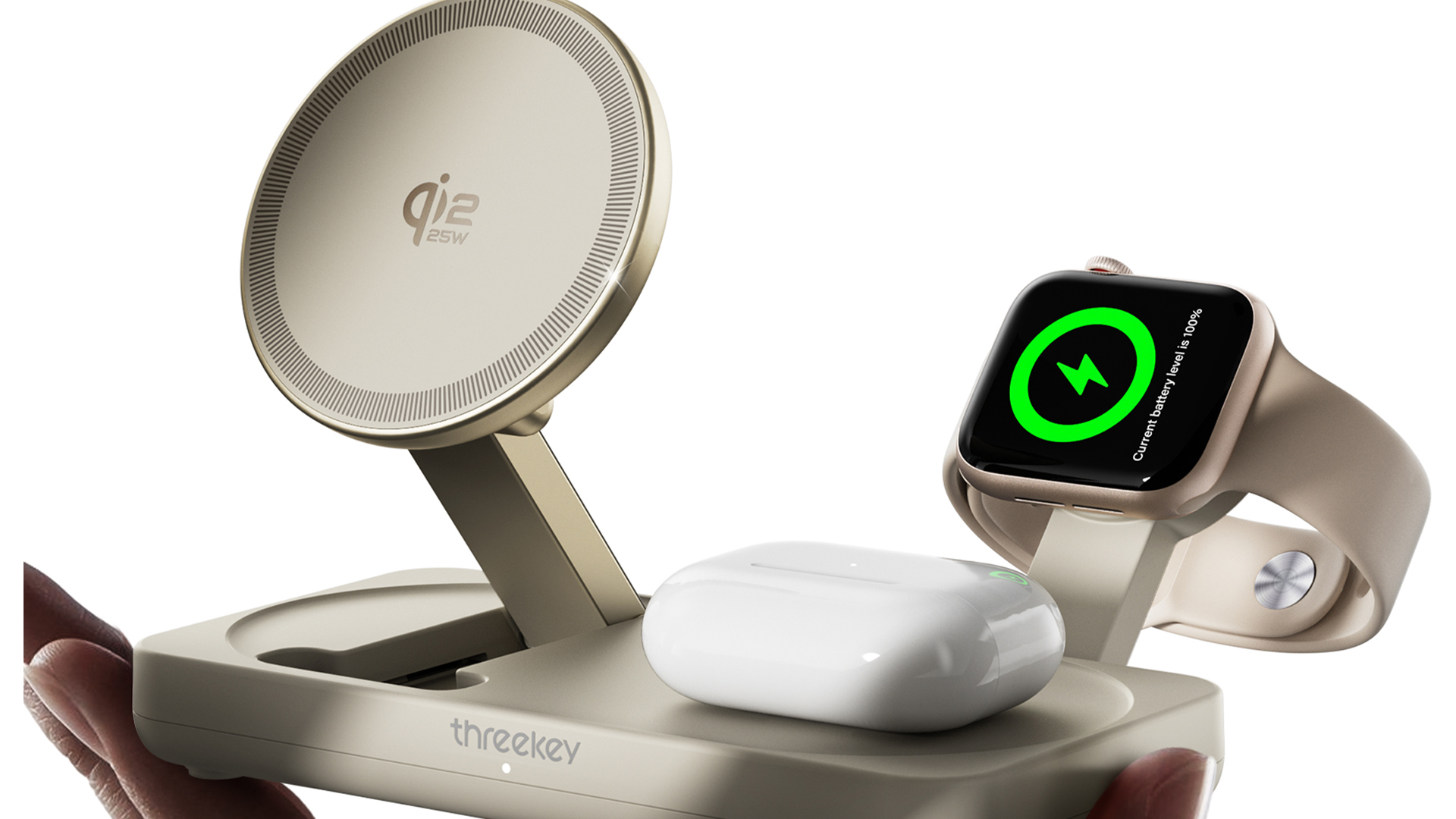
Multidevice wireless chargers let you juice up your phone, earbuds, and smartwatch at once—something even most wired chargers can’t pull off as elegantly.
In short: wireless charging is growing up, and it’s getting faster by the year.
8. The Real Question: Does Speed Even Matter?
Here’s where we get philosophical. Sure, wired charging can top you off in 30 minutes—but is that always necessary?
Let’s break it down:
| Situation | Wireless Charging | Wired Charging |
|---|---|---|
| Overnight charging | Perfectly fine | Overkill |
| Desk use | Convenient | Cable clutter |
| Emergency top-up | Too slow | Lifesaver |
| Travel | Less ideal | Essential |
| Car mounts | Easy & tidy | Risk of yanking cables |
There’s a time and place for both. Wired is like that friend who shows up on time, does everything right, and reminds you to drink water. Wireless is the friend who says “don’t worry, I got you”—a little late, but still awesome.
9. Final Verdict: Convenience Over Speed (And That’s OK)
So… why is wireless charging slower than wired?
Because physics. Because heat. Because misalignment. Because standards haven’t caught up yet.
But you know what? We love it anyway.
Wireless charging may not win the race, but it wins our hearts with convenience, flexibility, and vibes. It’s the kind of luxury we didn’t know we needed—until we had it.
So next time you toss your phone on a wireless charger and it yawns before reaching 50%, just smile. You’re living in the future. A slightly slower future—but one with fewer cords.
TL;DR (Too Lazy, Didn't Recharge):
-
Wireless charging is slower due to energy loss, heat, and lower power delivery.
-
Wired charging is direct and fast—but a bit more effort.
-
Wireless is ideal for passive charging, desks, and bedside tables.
-
Advancements like Qi2 will make wireless faster soon.
-
Speed isn’t everything. Sometimes, convenience wins.
In the end, wireless charging isn’t about speed. It’s about lifestyle. And for a world addicted to minimalism, aesthetics, and not having to plug things in while half-asleep, that’s a win worth waiting for.
Comment