Charger Types Explained: How to Choose the Best One for Your Devices
Jan 21,2025 | Threekey_global
Whether you are looking for the best fast charger or wondering what is the best fast car charger, today we will explore the different types of chargers and offer examples of each so you can find the perfect new charger for your needs.
Understanding Different Types of Chargers
Choosing the right charger—or combination of chargers—for your devices can be a bit tricky. But once you understand what each charger type offers, selecting the ideal one for your needs becomes much easier. After all, not everyone uses their devices the same way, and your charging preferences may differ from others.
Even if you and a friend have the exact same device, your charger choices could vary significantly based on how you use your device and how you prefer to charge it. The good news is that there’s a charger out there for everyone.
Let’s dive into the five most popular types of chargers available today, so you can find the perfect solution for your charging needs.
1. iPhone Chargers
The most common charger for most people is the standard wall charger for their phones. While many of us own a range of rechargeable devices, it’s usually our phones that require the most frequent charging—after all, we use them every day.
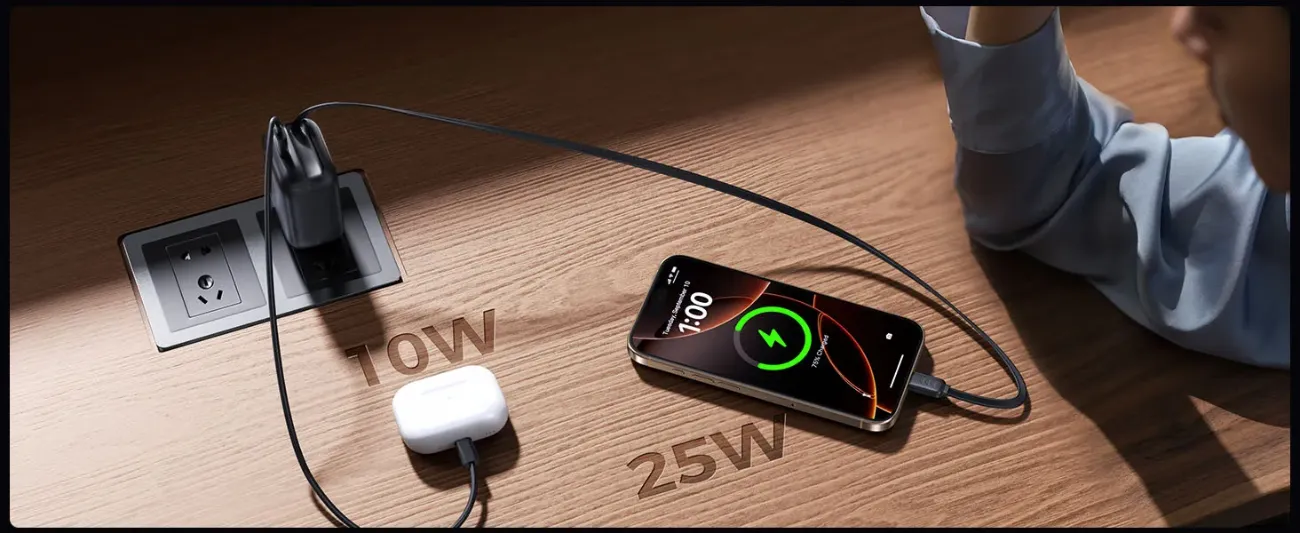
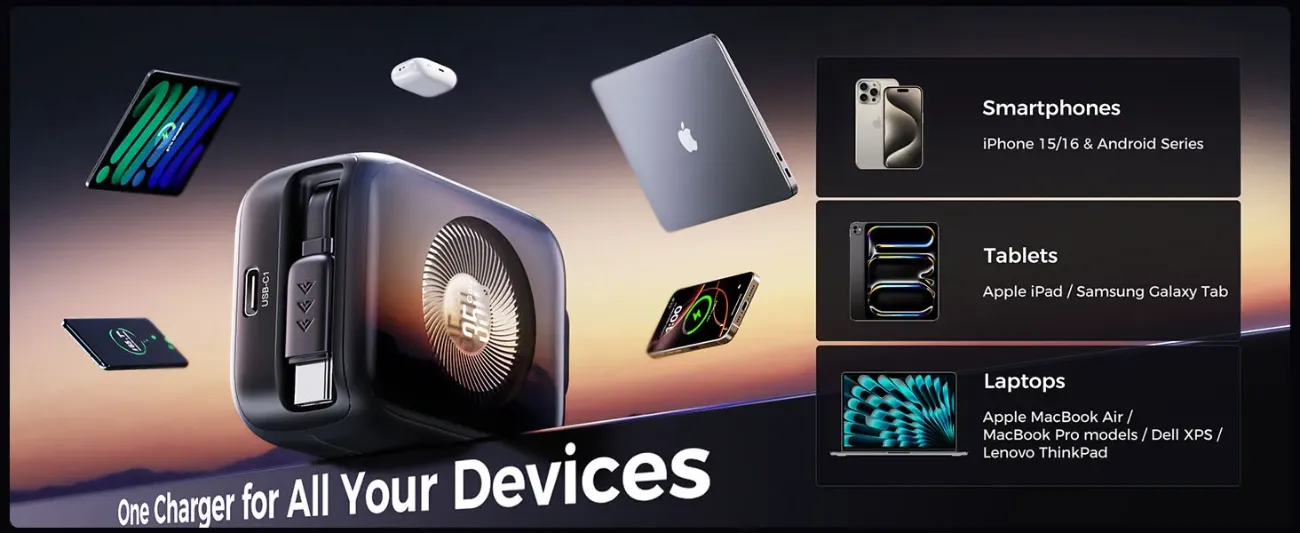
Finding the best iPhone charger can be challenging with so many different options. But if you know what you are looking for, you can easily find a great charger for your iPhone. We like this retractable wall charger USB-C Fast charger that uses three GaN safe tech to protect your devices while providing quick and effective charging. It can charge your iPhone to 50% charge in just 30 minutes and only takes two hours to charge your MacBook Pro to full. This charger offers two USB-C ports, so you can easily charge your Apple devices without remembering to queue them up properly.
2. Android Chargers
Android chargers come in a variety of types, with each designed to suit different needs, whether it’s for fast charging, universal compatibility, or portability. Android devices typically use USB Type-C ports for charging, though some older models still rely on Micro-USB.
One of the key considerations when choosing an Android charger is the charging speed. Fast chargers, such as Qualcomm Quick Charge and USB Power Delivery (USB-PD), can significantly reduce the time it takes to power up your device.
In addition to charging speed, it's important to choose a charger that’s compatible with your specific Android device to avoid issues with overheating or slow charging.
3. Wireless/MagSafe Chargers
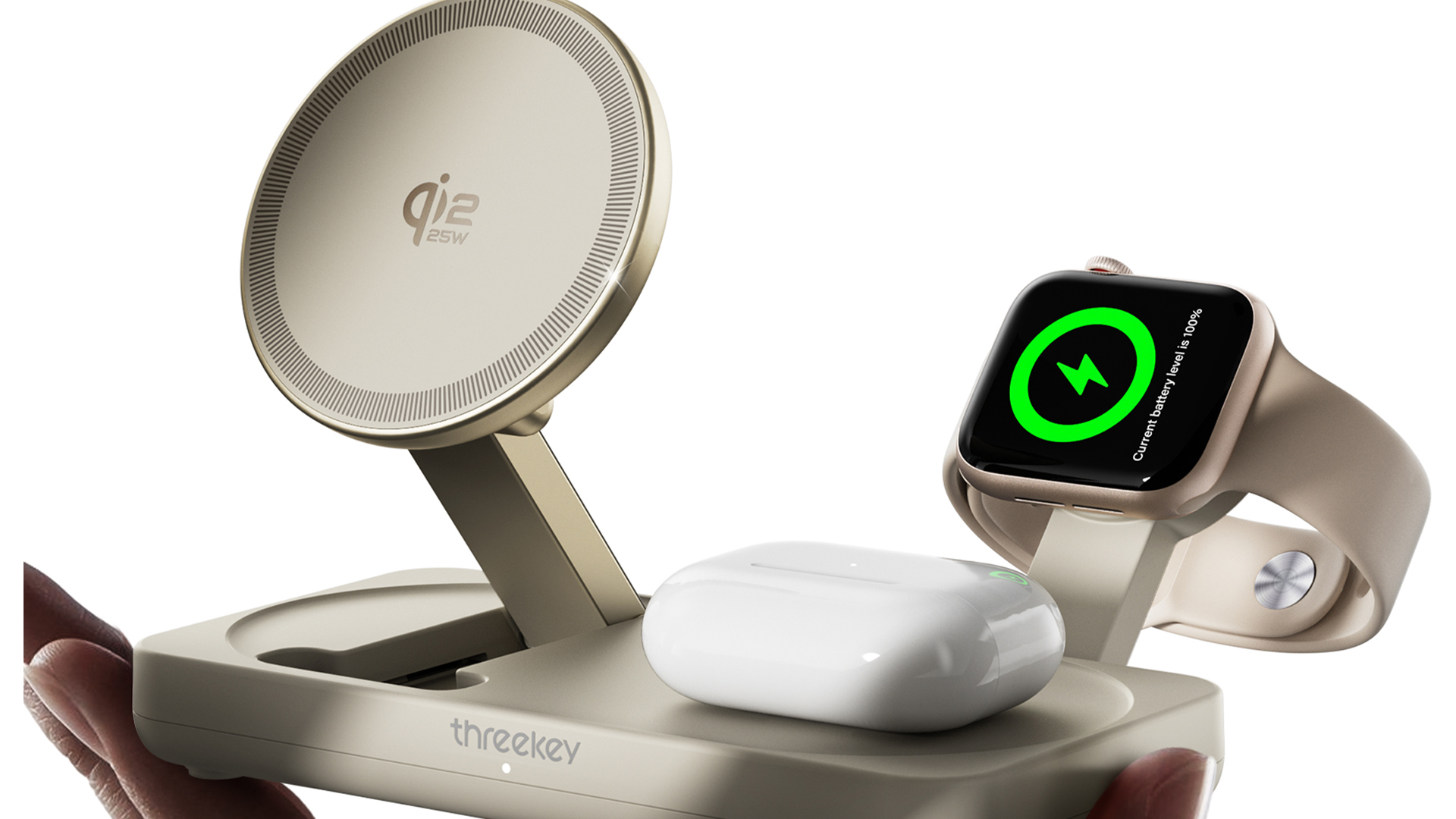
If you are not a fan of stray cords or plugging your phone in each time you need to charge it, then a wireless charger is a good choice for you. These chargers allow you to charge your device by simply placing it face-up on the charging pad and letting the charger do all of the work. As smartphones and other small devices advance, more advanced wireless charging options (like MagSafe chargers) are available.
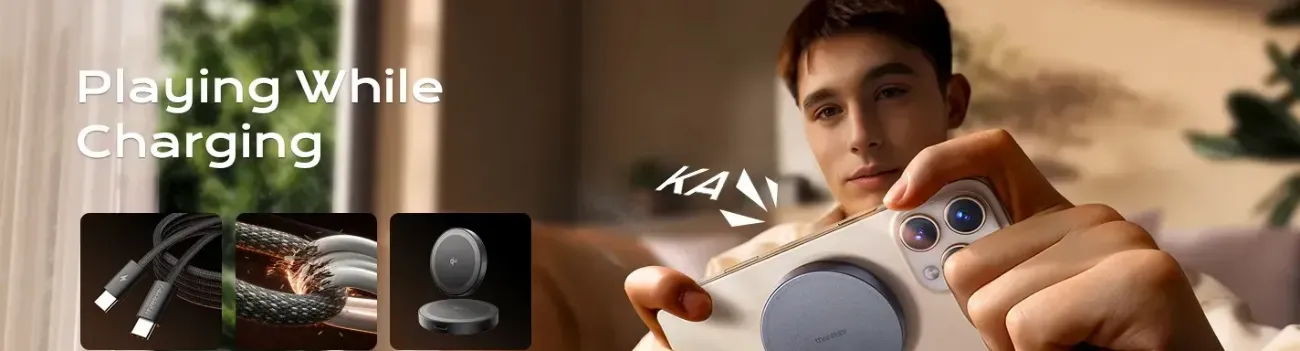
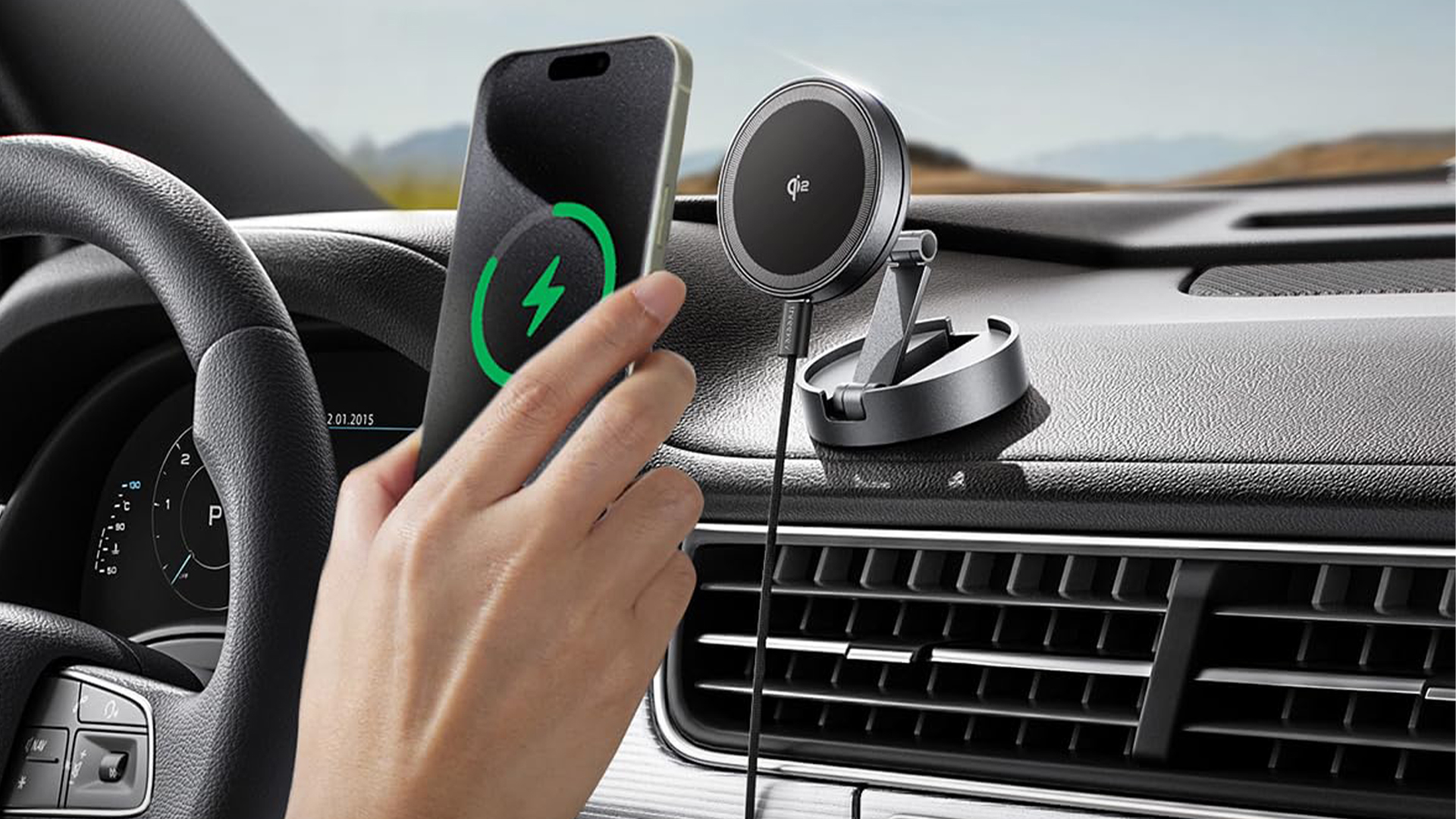
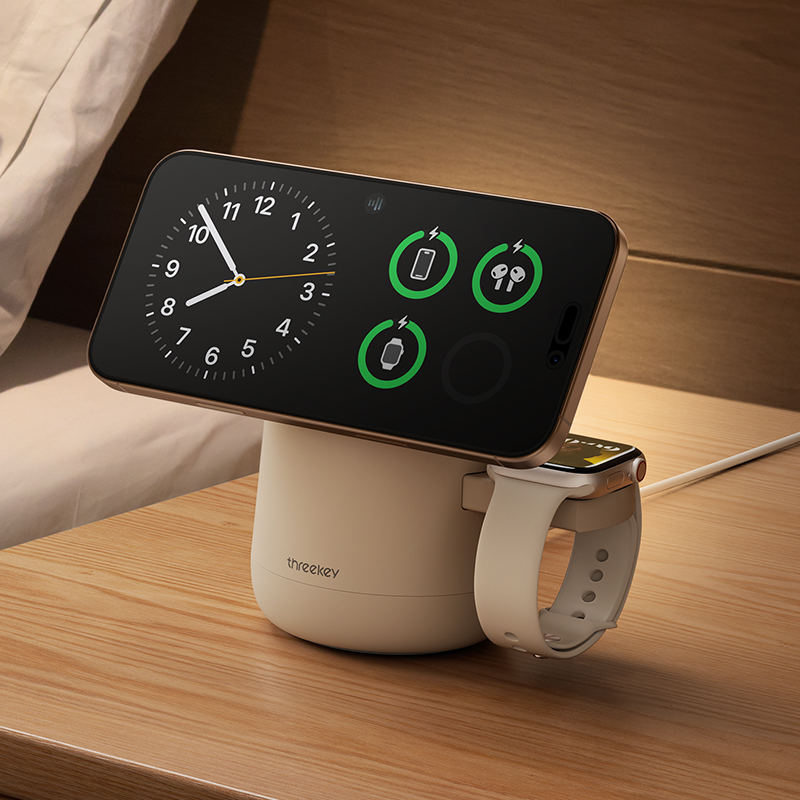
MagSafe chargers are just like regular wireless chargers, except they hold your device up so you can see it while it charges. This makes them a great choice for people who charge their phone during the day instead of at night while they sleep. The best MagSafe chargers even allow you to charge your phone at an angle so you can easily see and use the screen while it charges.
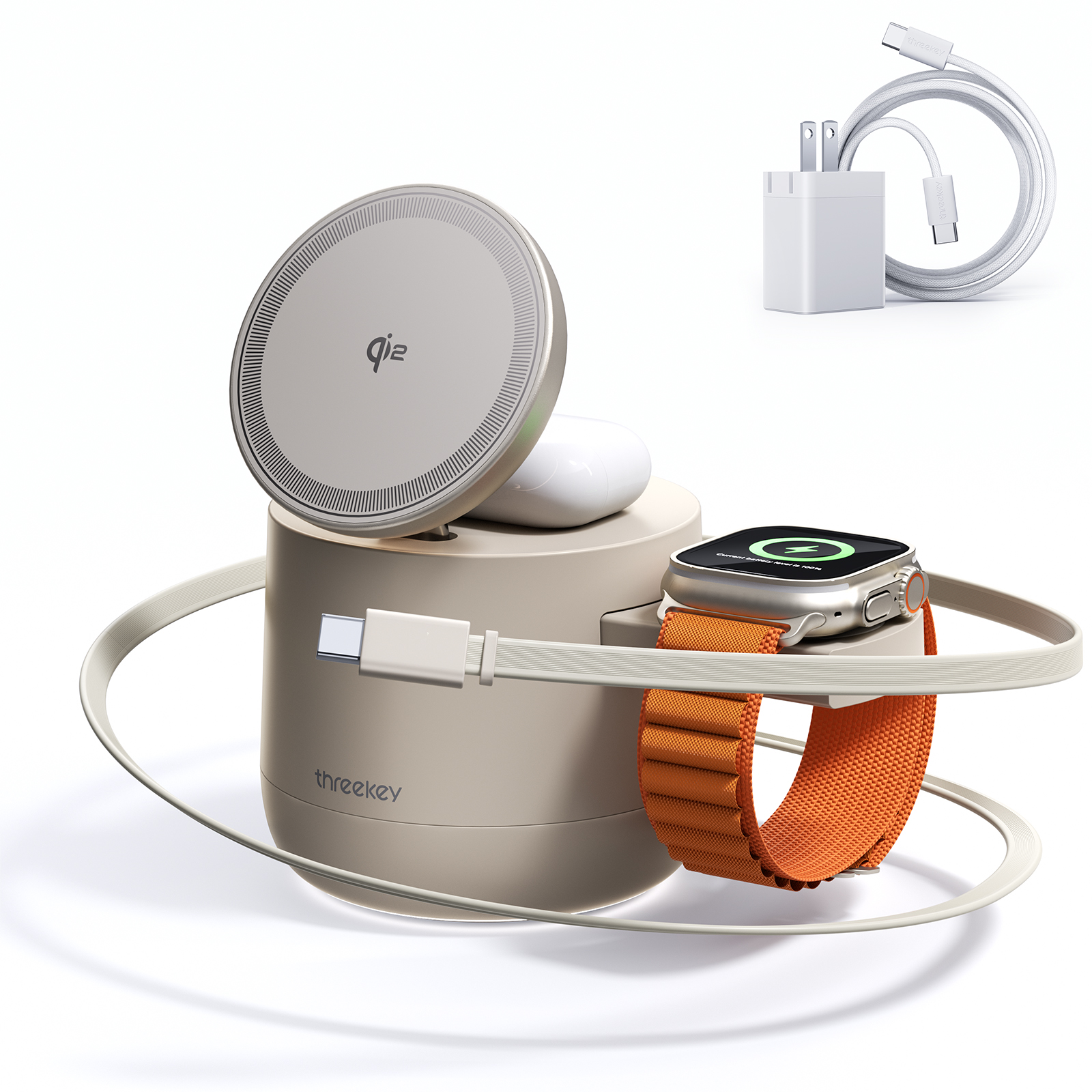
Keep in mind that wireless charging generally takes longer than wired charging, so if you choose a wireless charger, be sure to get a QI2 charger, like this MagSafe charger.
4.Magnetic Power Banks
If you prefer not to charge your devices overnight—or if you often find yourself working outside the house—a magnetic power bank with a built-in USB-C cable is an excellent addition to your charging setup. It offers convenience and portability, ensuring your devices stay powered up wherever you go.
A magnetic power bank is a portable battery charger that incorporates magnetic technology to securely attach to your device for charging, typically using a built-in magnet or magnetic alignment system. This makes it more convenient and efficient to charge devices, especially smartphones, as it eliminates the need for cables in some cases.
Key Features of Magnetic Power Banks:
Magnetic Attachment: Magnetic power banks often have magnets built into the power bank itself or come with a magnetic case or attachment that aligns with your device’s charging port. This helps to ensure a stable connection and prevents the power bank from slipping off during charging.
Wireless Charging Support: Many magnetic power banks support wireless charging, meaning you can charge your device without the need for a physical connection. You simply attach the magnetic power bank to the back of your phone, and it begins charging via the built-in wireless charging technology (such as Qi2 wireless charging).
Built-In Cables: Some magnetic power banks come with a built-in USB-C or Lightning cable, making them even more versatile. This allows you to charge devices that might not support wireless charging or if you prefer a wired connection.
Portability: The magnetic feature makes the power bank compact and easy to use on the go. It can conveniently stick to the back of your phone, freeing up your hands or allowing for easy storage without dealing with tangled cords.
Efficiency: With the magnetic alignment, these power banks ensure a more consistent and reliable charging connection, reducing the chance of interruptions during the charging process.
5.Charging Stations
If you need a more powerful charger—perfect for your home office or desk—a charging station is your best option. Charging stations provide multiple charging solutions, including various port types, AC outlets, and even built-in charging cables. The ideal charging station will also offer circuit protection to keep your devices safe while charging. While it provides a range of options, it should still be compact enough not to take up too much space on your desk.
Features of Charging Stations:
Multiple Charging Ports: Charging stations typically come with a variety of ports, including USB-A, USB-C, and sometimes even AC outlets, allowing you to charge phones, tablets, laptops, and other electronics at the same time.
Built-in Cables: Some charging stations come with built-in charging cables for popular devices, eliminating the need for separate cords and making it easier to charge on the go.
Circuit Protection: The best charging stations include safety features such as overload protection, short-circuit prevention, and surge protection to ensure your devices are charged safely, preventing damage to your valuable electronics.
Fast Charging Capabilities: Many modern charging stations support fast-charging technologies, such as Qualcomm Quick Charge or USB Power Delivery (USB-PD), allowing you to power up your devices at an accelerated rate.
Compact Design: Despite their multiple charging options, a well-designed charging station should be compact and space-saving. It should fit neatly on your desk, nightstand, or any work surface without overwhelming your space.
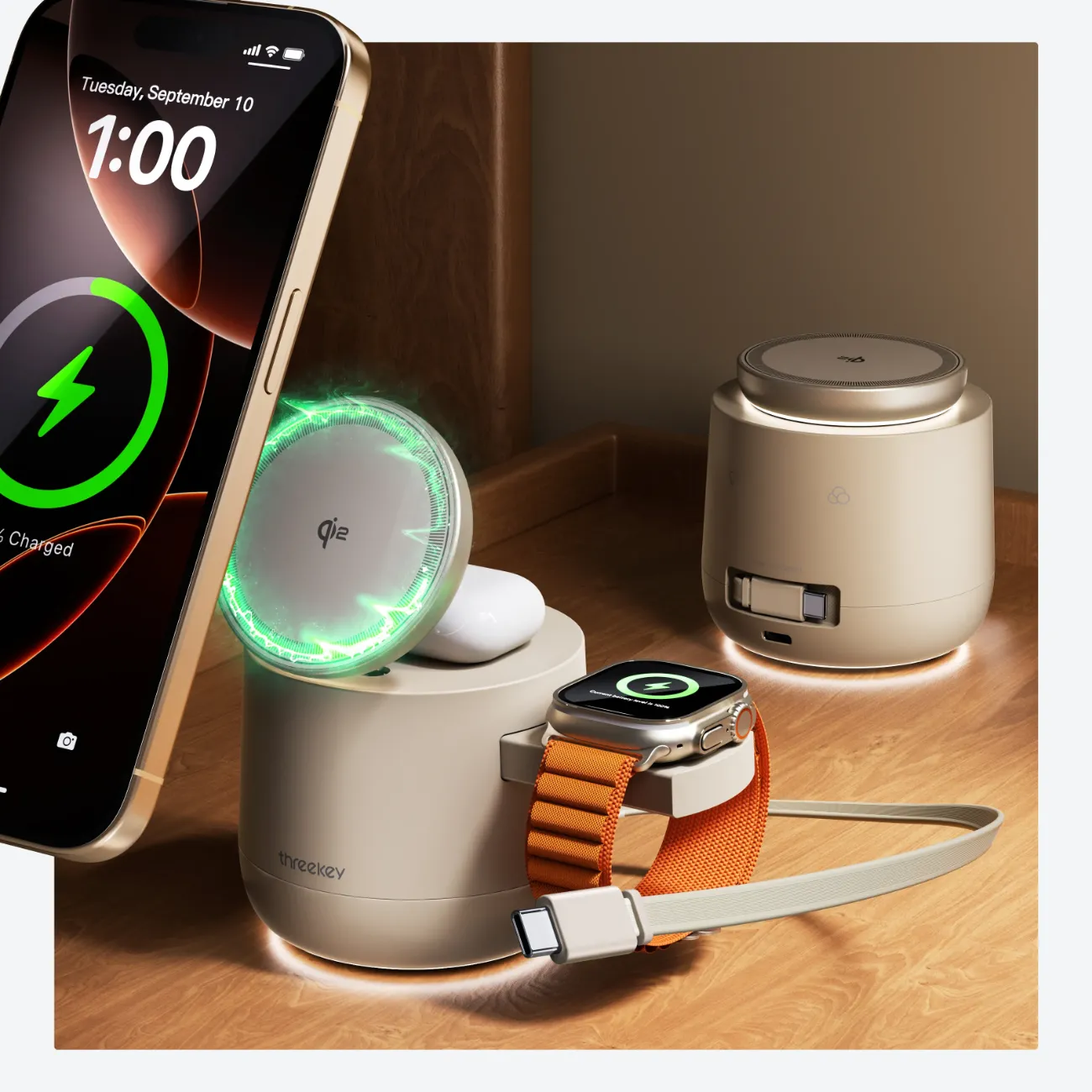
Smart Features: Some charging stations come with smart features, such as LED indicators to show the charging status, or even wireless charging pads for compatible devices.
Picking the Right Charger
Choosing the right charger starts with doing your research. Not all chargers are created equal, and the last thing you want is to invest in one that stops working after only a few uses. Taking the time to compare your options is crucial before committing to a new charger.
Now that you're familiar with the different charger types, you should have a better idea of what you're looking for. Consider where and when you’ll be charging your device. Ask yourself:
- Does it need to be portable for on-the-go charging?
- Do you want a wireless option for convenience?
- Will it need to have multiple USB ports for charging multiple devices?
- How powerful does it need to be for your specific needs?
By considering these factors, you’ll be better equipped to choose the charger that fits your lifestyle and device requirements.
Comment