
The Future of Wireless Charging: Breaking Free from the Cable, One Watt at a Time
Apr 09,2025 | Threekey_global
Wireless chargers have come a long way from being a cool gimmick to becoming a core part of our everyday charging routines. As smartphones, wearables, and even laptops become more powerful, the way we charge them has also evolved—and it's only just getting started.
In this article, we’re diving into where wireless charging stands today, what it’s still lacking, and why the next big leap—Qi2.2—is worth paying attention to.
Where We’re At: Today’s Wireless Charger Landscape
Let’s face it—wireless charging isn’t a luxury anymore, it’s a necessity. From nightstands to car dashboards, these chargers are everywhere. Here's a quick rundown of what’s dominating the market right now:
1. Basic Wireless Charging Pads
These are the no-frills options. Drop your phone on a flat surface and it starts charging—assuming you get the placement just right.
- 🔌 Power: Usually up to 15W
- ✅ Pros: Affordable, universal
- ❌ Cons: Positioning can be fussy
2. Magnetic Wireless Chargers (MagSafe-Style)
Thanks to Apple’s MagSafe design, magnets have changed the game. These chargers snap perfectly into place, delivering consistent power without you having to nudge your phone into the sweet spot.
- 🔌 Power: Up to 15W
- ✅ Pros: Alignment is automatic
- ❌ Cons: Mostly optimized for Apple devices
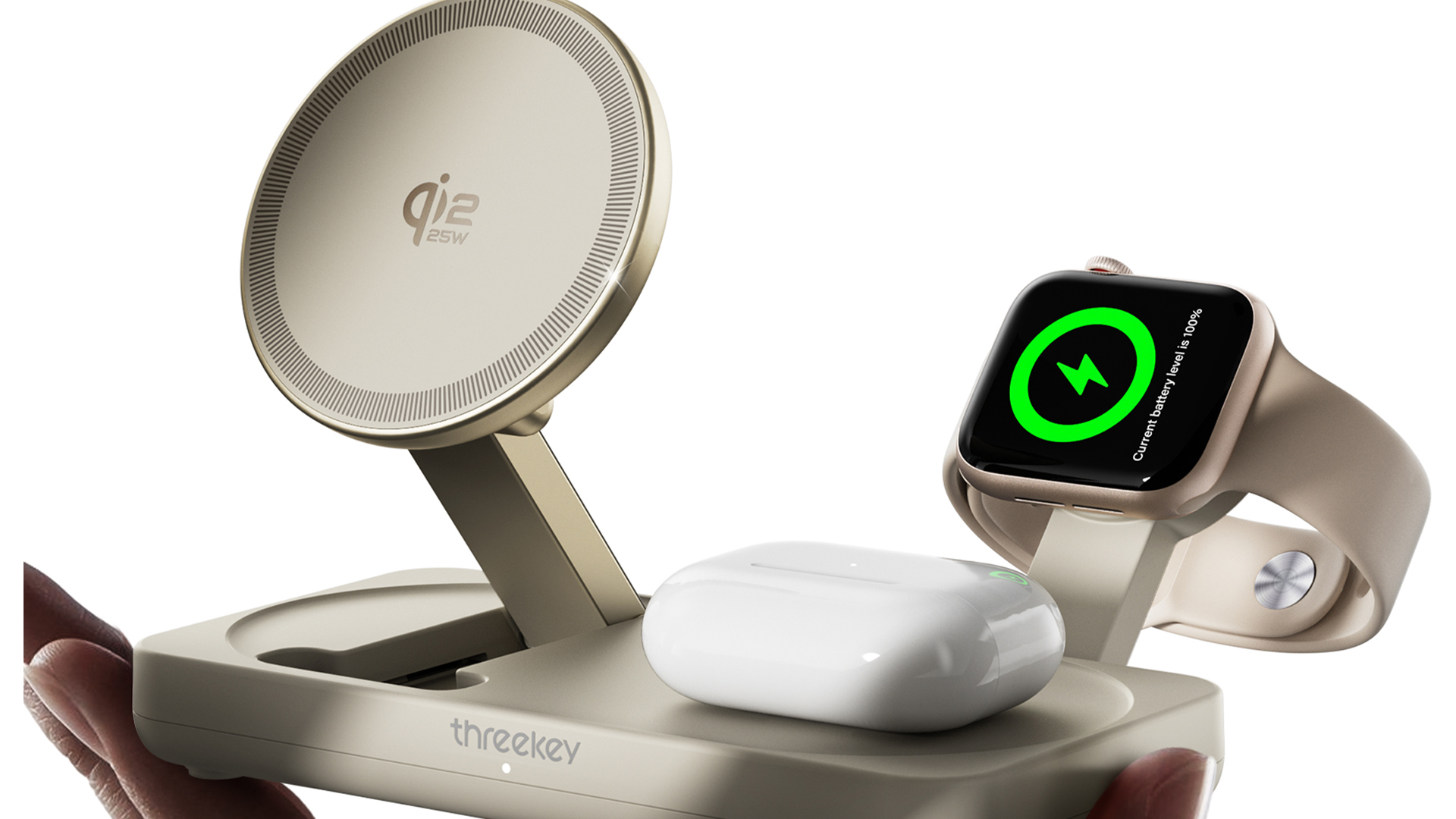
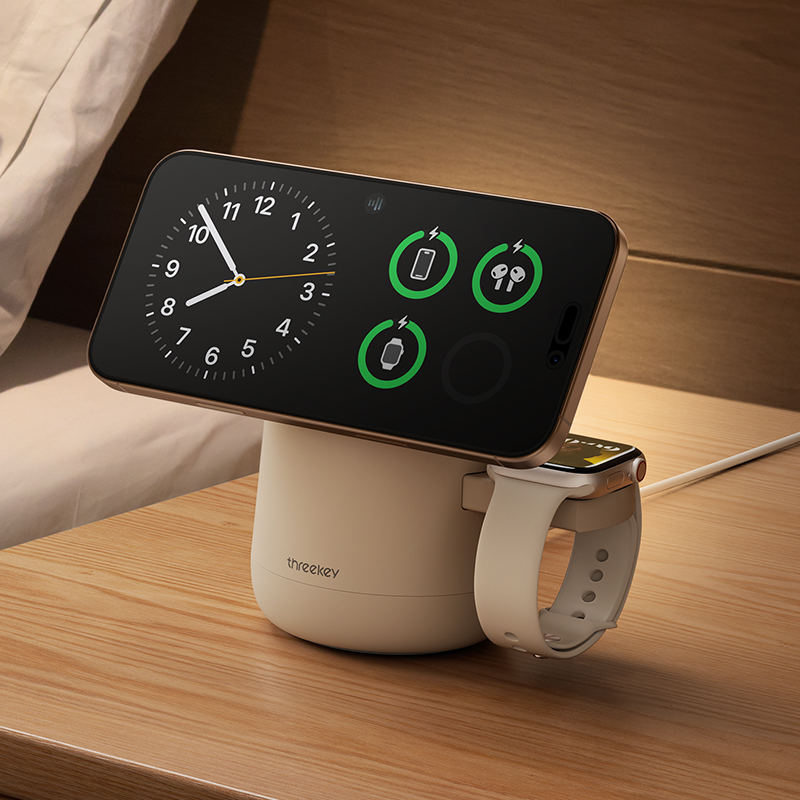
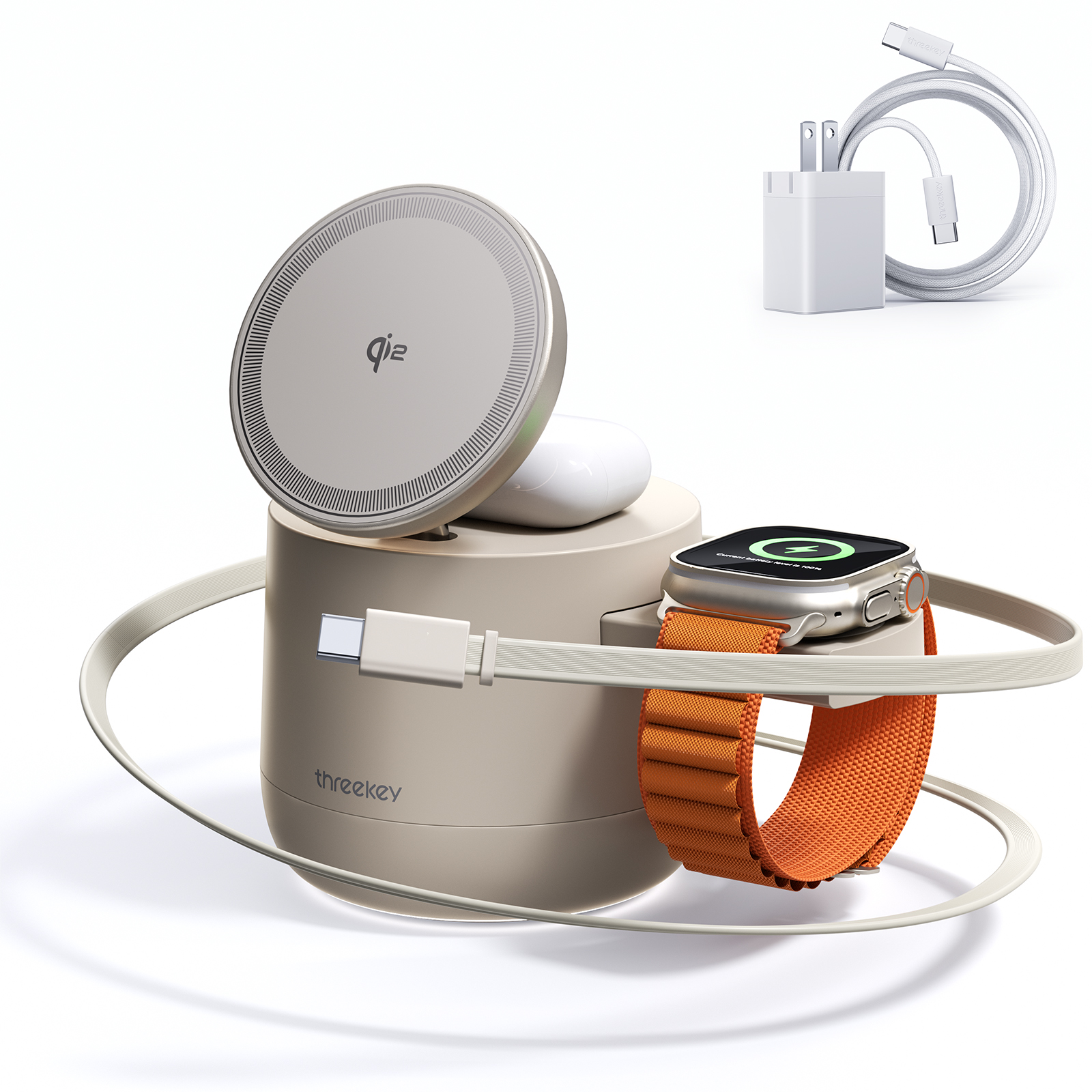
3. 3-in-1 & Multi-Device Wireless Charging Stations
Charging your iPhone, AirPods, and Apple Watch at once? Yes, please. These setups are ideal for keeping your desk or bedside table clean and functional.
- 🔌 Power: Varies per device
- ✅ Pros: All-in-one solution
- ❌ Cons: Can be bulky or pricey
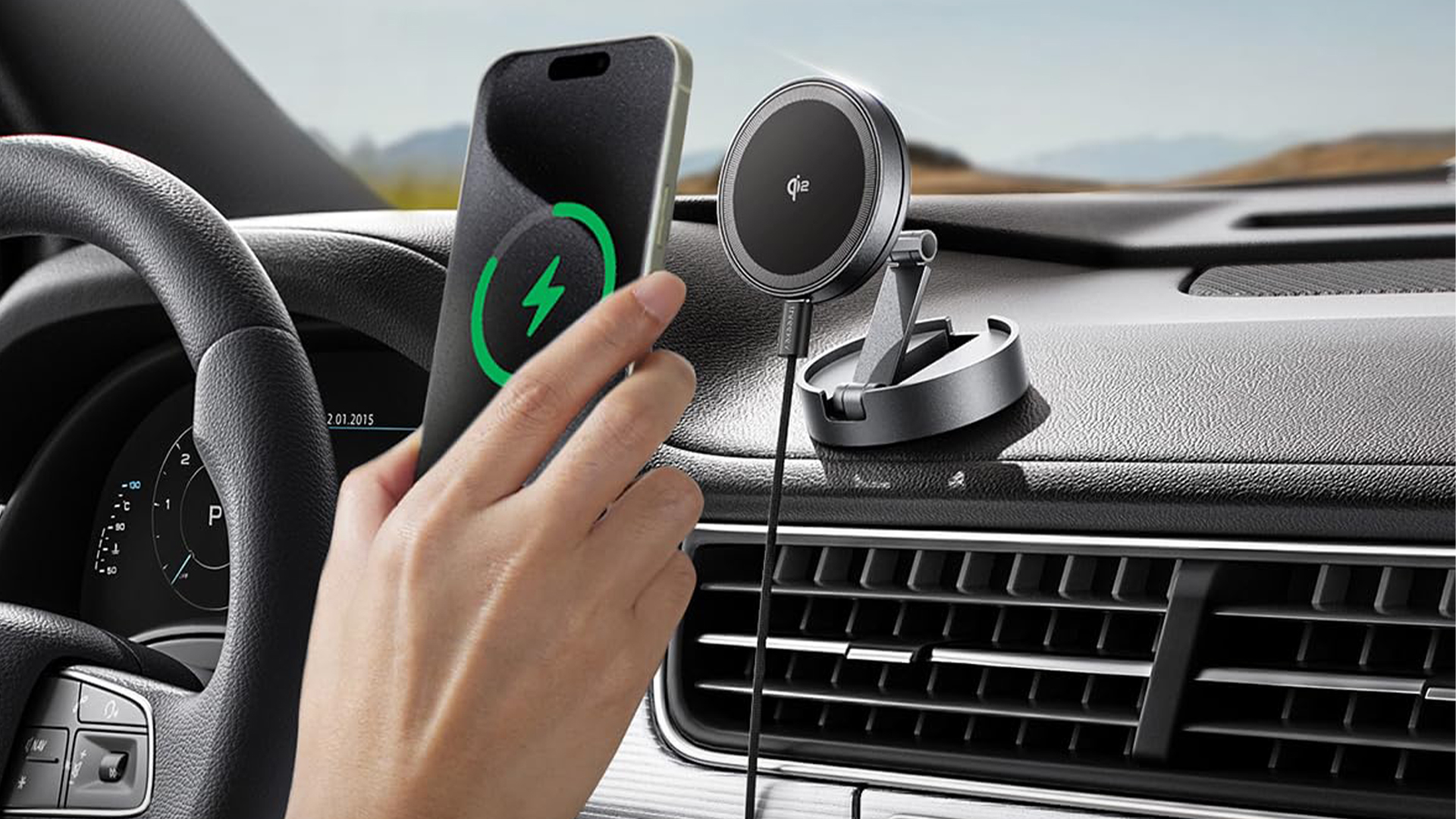
4. Wireless Car Chargers
For people on the move, car-mounted wireless chargers keep devices powered and visible for navigation. The magnetic ones are especially slick.
- ✅ Pros: Hands-free convenience
- ❌ Cons: Can overheat in direct sun
5. Foldable & Travel Wireless Chargers
If you travel frequently, you’ve probably seen these fold-flat, portable wireless chargers. They’re light, compact, and increasingly powerful.
The Catch: Wireless Charging Isn’t Perfect—Yet
Even with all these options, there’s still a lot holding wireless chargers back from going truly mainstream or fully replacing traditional wired charging. Here’s where things still fall short:
-
Lower Efficiency: Most wireless chargers convert only 60–75% of input power into actual charge. The rest becomes heat.
-
Slower Speeds: Even “fast” wireless charging isn’t as fast as a good USB-C cable pumping 30W+ into your phone.
-
Heat Issues: More power = more heat. Many wireless chargers get noticeably warm during use.
-
Alignment Problems: Non-magnetic pads require precise placement. Miss the coil? No charge.
-
Limited Compatibility: Different brands support different wireless protocols—some phones throttle power if the charger isn’t “certified.”
Enter Qi2 & Qi2.2: The Real Wireless Revolution
The Wireless Power Consortium (WPC) has been working behind the scenes to fix all these problems, and it’s about to pay off. The release of Qi2, and more recently Qi2.2, is set to redefine how we experience wireless charging.
Here’s what’s new:
🔄 Built-In Magnetic Alignment
Qi2 integrates magnetic positioning (inspired by MagSafe), making sure your device aligns perfectly with the charging coil every time—no guesswork.
⚡ Higher Power Limits
Qi2.2 will support wireless charging up to 30W or more, dramatically cutting down charge times.
🌡️ Smarter Power Control
The new standard comes with real-time thermal management and battery optimization—no more frying your phone while charging.
🔄 Universal Compatibility
Finally, a unified standard. Whether you have an iPhone or an Android device, Qi2-certified wireless chargers will work seamlessly across the board.
What the Future Holds for Wireless Charging
With Qi2.2 rolling out in the next wave of flagship devices and accessories, we can expect the following trends to accelerate:
1. Wireless = Fast
Forget about waiting hours. Wireless speeds are now rivaling, and in some cases exceeding, older wired solutions.
2. MagSafe-Style Everything
Magnets are here to stay. Expect phones, earbuds, watches, and even laptops to adopt magnetic wireless charging as a baseline feature.
3. All-in-One Desktop Ecosystems
Think beyond the single pad. High-end wireless chargers will become modular, offering USB-C hubs, cooling fans, adjustable angles, and multi-device support—all in one sleek station.
4. Thermal Engineering Becomes a Big Deal
The brands that figure out how to cool their wireless chargers effectively will dominate. We’ll start seeing active cooling, vapor chambers, and more intelligent heat sensors in next-gen products.
5. Reverse Wireless Charging Gets Real
Imagine topping up your earbuds from your phone—or your laptop charging your phone. Qi2.2 opens the door to a future where energy flows both ways, wirelessly.
What This Means for Brands and Retailers
If you’re in the wireless charger game—or thinking about getting in—this is your moment. As Qi2.2-certified products start hitting shelves in 2025 and beyond, early movers will have a huge advantage.
Tips for getting ahead:
-
✅ Design chargers with built-in magnetic alignment
-
✅ Aim for 25W+ wireless power output with thermal protection
-
✅ Highlight Qi2.2 certification in marketing and SEO copy
-
✅ Build product pages around keywords like “MagSafe wireless charger,” “Qi2 fast charging pad,” or “wireless charging station for iPhone”
-
✅ Don’t ignore design—clean, minimalist setups are winning the desktop space
Final Thoughts
Wireless charging is no longer just about convenience—it’s about freedom, speed, and smart power management. With Qi2.2 just around the corner, the days of slow, finicky wireless pads are numbered. The future is fast, magnetic, and cable-free—and it’s coming quicker than you think.
Comment