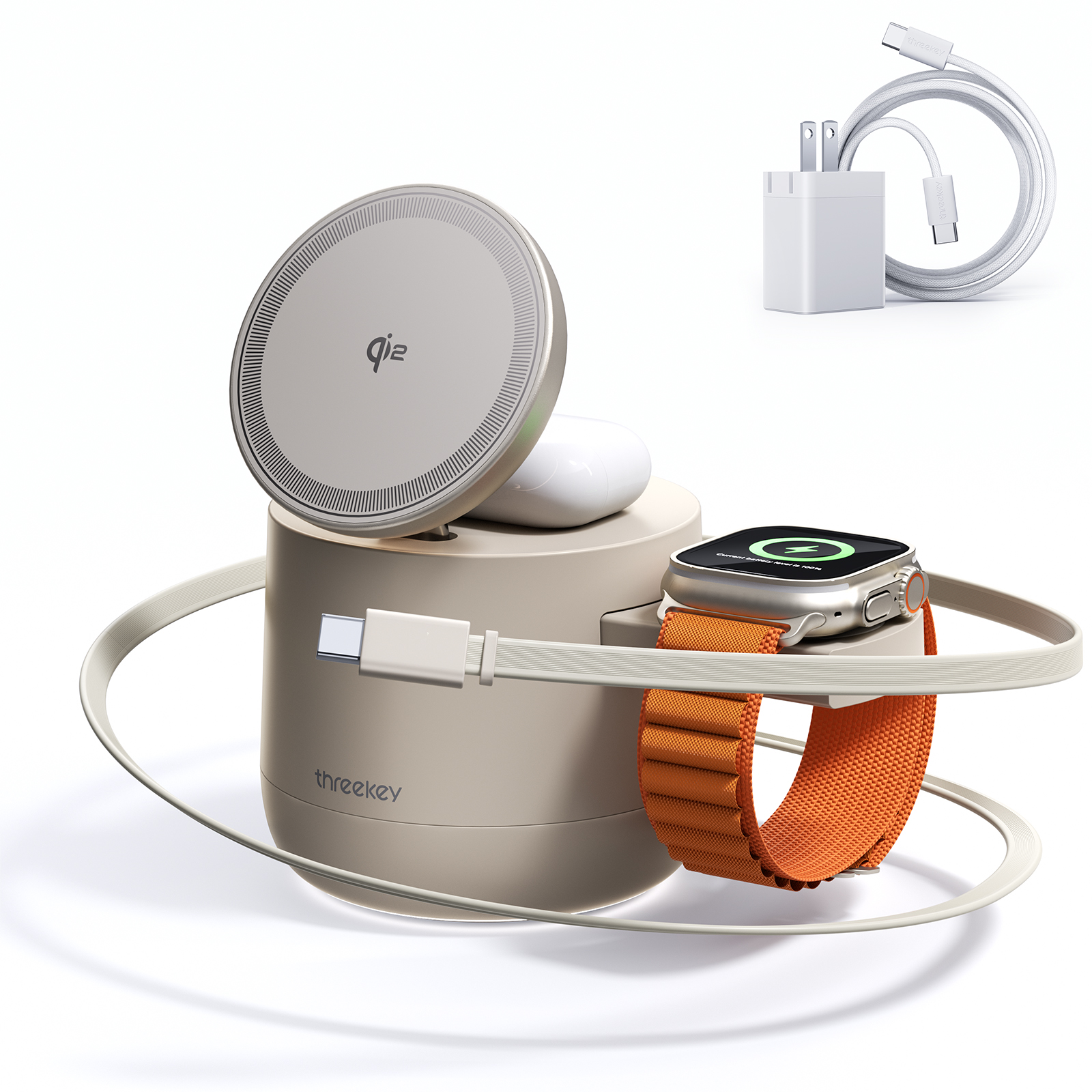

What is Qi2, Pros and Cons of Qi2 Wireless Charging, and Things to Know About Qi2 in 2025
Mar 28,2025 | Threekey_global
What is Qi2 wireless charging?
Qi2 is a wireless charging standard introduced by the Wireless Charging Consortium, which co-developed the technology with Apple. Similar to Apple's MagSafe, Qi2 uses the Magnetic Power Profile (MPP) protocol, which places a magnet outside the charging coils of the charging cable to improve the accuracy of the alignment between the charger and the phone.
Compared to the traditional Qi standard, Qi2 dramatically reduces the energy loss between the charger and the phone, supports fast charging up to 15W, and is magnetically compatible with Apple and Android devices for a faster, more efficient charging experience.
*Supplementary information: Qi2 support is not yet widely available for Android products, so if you need to use magnetic charging, we recommend adding a magnetic phone case.
What is Qi wireless charging?
Qi is a wireless charging standard that does not require any wires to transmit wireless power and sense charging of devices, and is used to ensure the safety and interoperability of charging between devices.
Qi wireless charging principle of operation
Qi utilizes the principle of electromagnetic induction. When a wireless charger is connected to a receiver such as a cell phone or smart watch, an alternating magnetic field is generated between them. A copper coil inside the receiver picks up the magnetic field and converts it into electrical energy, which in turn powers the electronic device.
What is the Wireless Power Consortium?
Founded in 2008, the Wireless Power Consortium (WPC) is the development organization for wireless charging standards. As an authority on wireless power transmission, it works with world-renowned electronics technology companies such as Apple, Sony, Samsung, Microsoft, Huawei and Google.
The organization aspires to develop standards for wireless charging that ensure the interoperability, safety and efficiency of wireless power applications, and guarantee that wireless charging power does not exceed 15W.
WPC certified products will be labeled with the “Qi” logo, so you can pay attention to charging products labeled with “Qi” when choosing products.
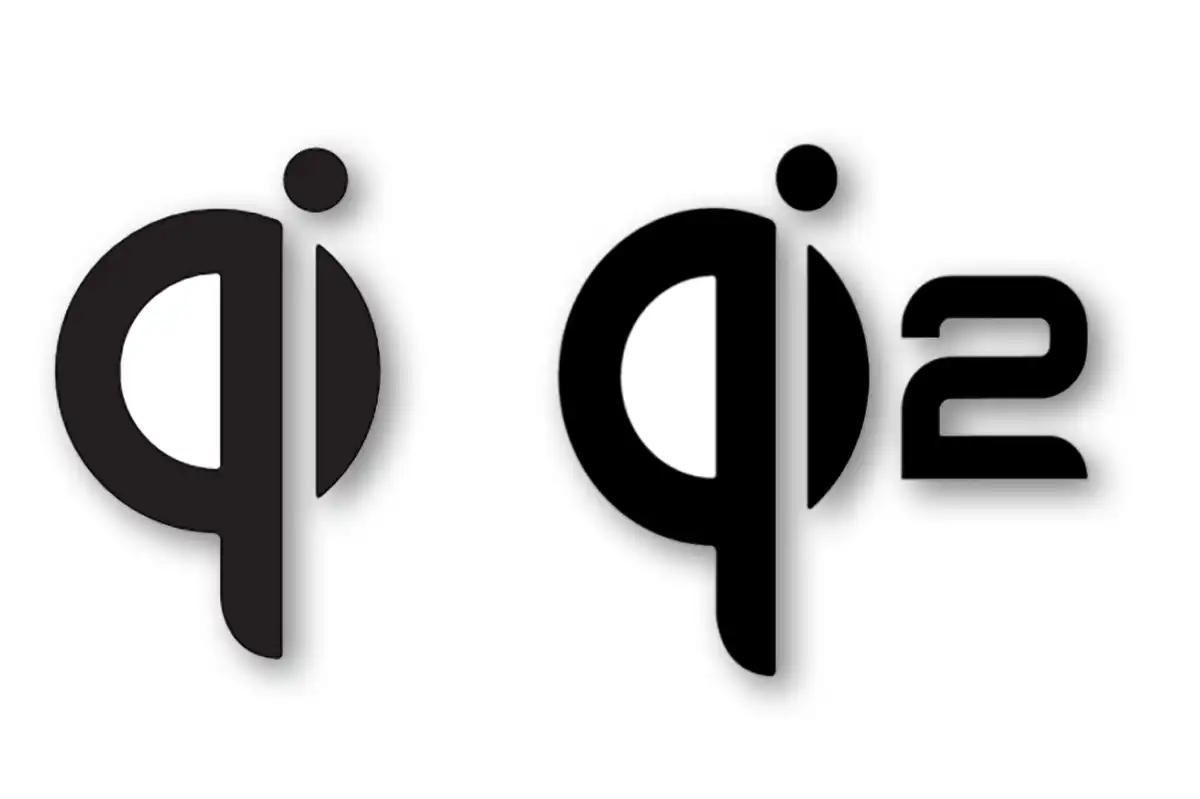
What are the advantages and disadvantages of Qi2?
Pros of Qi2
- Ensures that the device is placed in the optimal charging position every time, avoiding misalignment that may affect charging quality.
- Enhances charging efficiency and ensures that the device is charged during the charging process.
- Works with both Android and Apple users.
- Actively expanding applications, such as electric cars and AR/VR headsets.
- Charging frequency is 360kHz, effectively avoiding interference from some electronic devices.
- Supports up to 15W power output.
Qi2 Disadvantages
- Utilizes the latest wireless charging technology and has a higher production cost compared to Qi.
- Although it is compatible with Apple and Android devices, it needs to be fully supported by the device in order to maximize the advantages of Qi2.
- There are relatively few Qi2 products available at this stage, and the popularity rate is not as high as that of Qi and MagSafe.
Who is Qi2 suitable for?
- People who are used to wireless charging: They like the convenience and cleanliness of wireless charging, and want to eliminate the wear and tear caused by plugging and unplugging cables.
- People who are not satisfied with Qi: Qi charging is too slow and the lack of magnetization affects the stability of charging.
- People who don't consider fast charging as a priority: Users with a maximum charging power of 15W who don't require high charging speeds.
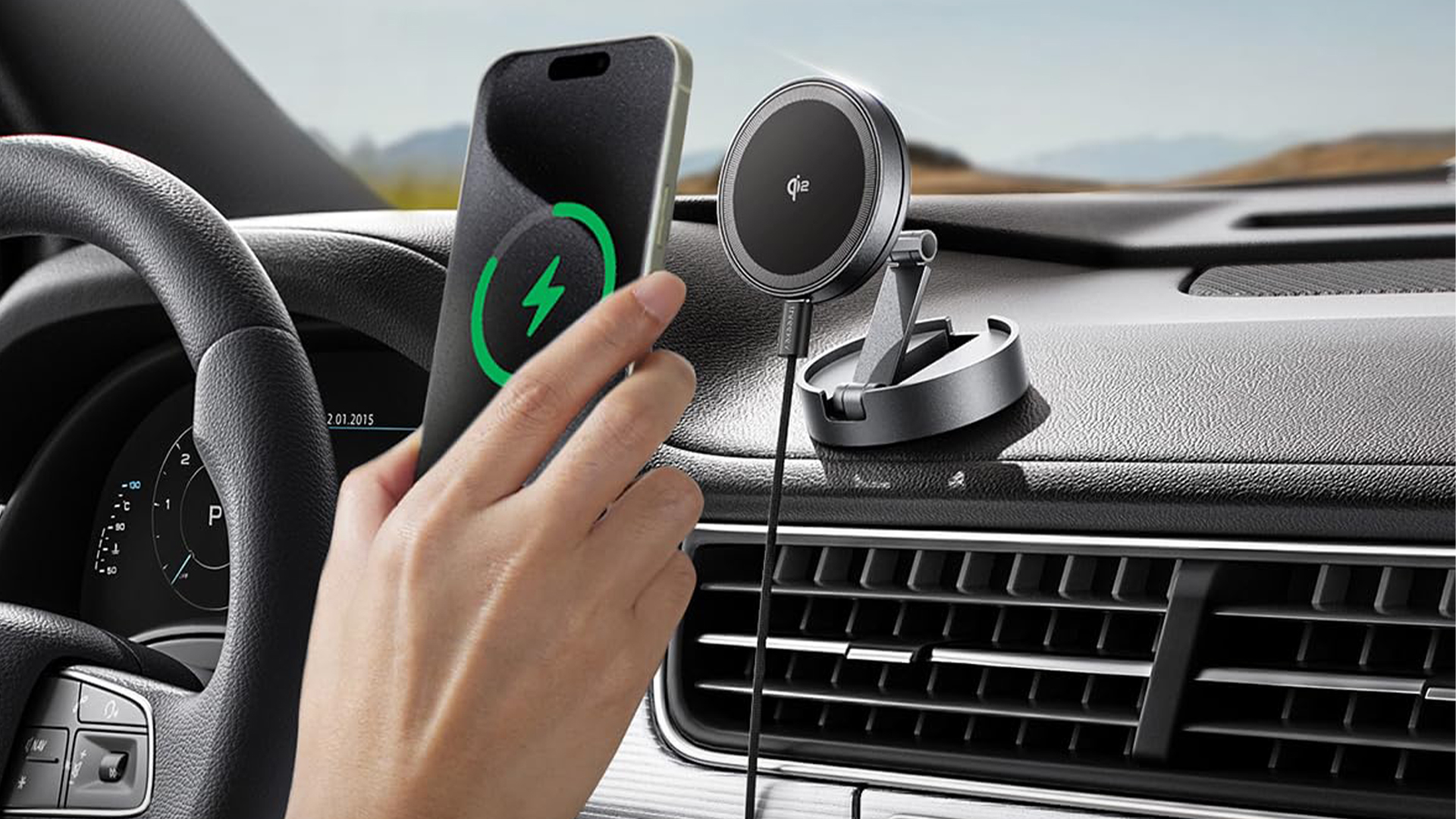
- People who drive a lot: The magnetic design ensures stable charging even under unstable conditions such as bumps and emergency braking, enjoying the convenience of instant charging.
- For those who pursue CP value: MFM is an alternative version and offers wider compatibility.
- Android users: Qi2 supports both Android and Apple devices, which is more compatible than MagSafe and suitable for users who need cross-system charging.
What are the pros and cons of wireless charging?
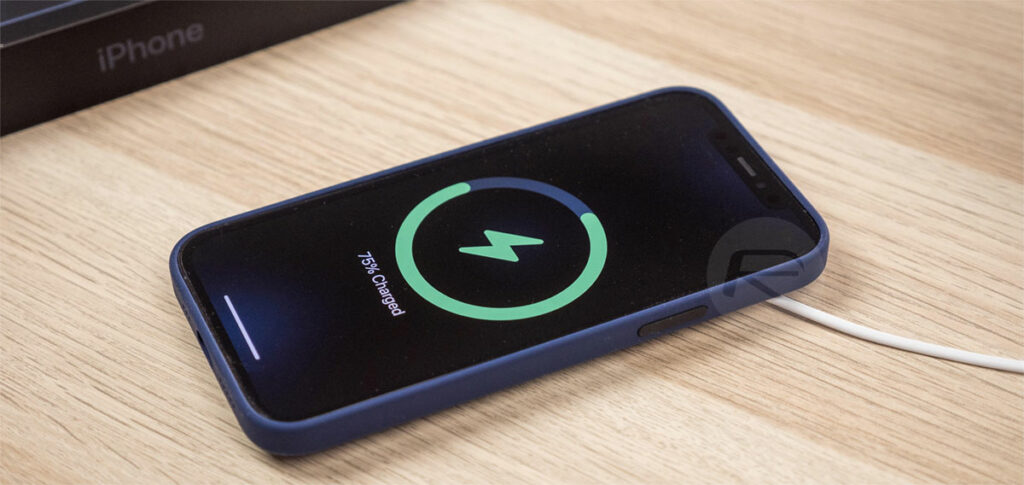
Wireless Charging Advantages
- Reduced cable requirements: No need to use too many charging cables and plugs, keeping your desktop or environment clean and avoiding tangled cables.
- Simple operation: Simply place the device in the charging position and it's easy to get started.
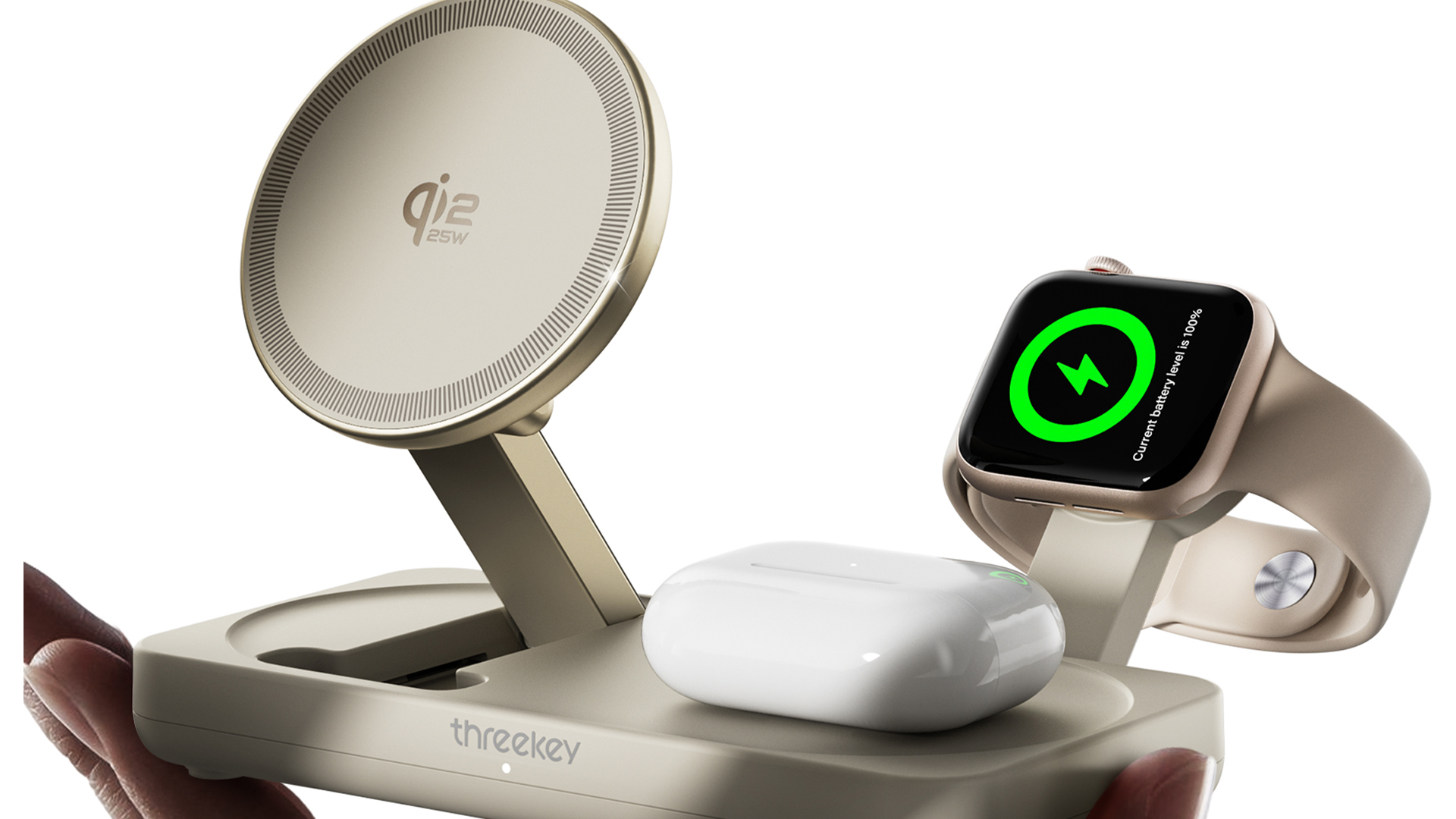
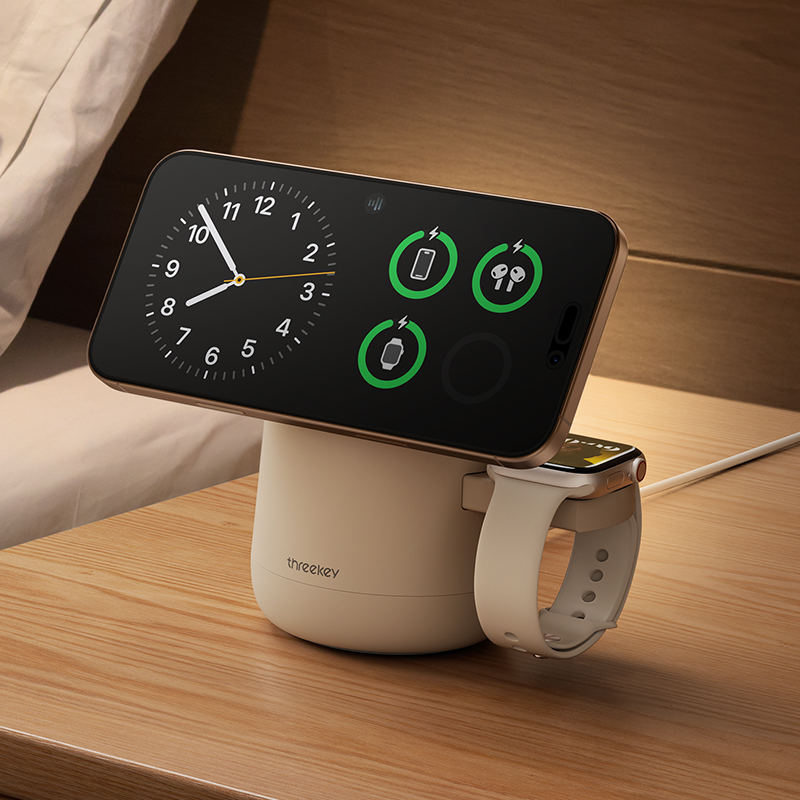
- Multi-function charging: Provide various configurations such as 3-in-1 or 4-in-1 to charge multiple devices at the same time for added convenience.
- Safe: Safe in wet environments, minimizing water-related malfunctions or hazards.
Disadvantages of wireless charging
- Slower charging speed: Due to safety considerations, the current maximum support is only up to 15W, which means that the charging speed is usually slower than wired charging.
Notes on wireless charging
- Different wireless chargers have different sensing distances, and using a case that is too thick may affect charging, so it's better to buy a thinner case. If you're using an iPhone 12 or above and want to use Qi2 or MagSafe's magnetic alignment feature, choose a case that supports magnetic attachment or a bare phone.
- If you're using a charger that doesn't have magnetic attraction, be sure to align the charging position. Failure to do so may cause the device to heat up faster and charge more slowly.
- Try to avoid placing magnetic strips on the back of your phone, such as credit cards or EasyCards, which can affect the charging quality and possibly damage the card.
Qi2 v.s. MagSafe Differences
Overall, Qi2 has more advantages in terms of price and compatibility, and it may also introduce faster charging speed in the future(QI2.2).When purchasing a wireless charger, you don't necessarily need to choose an Apple Certified (MFM) product, but rather consider a more affordable and multi-brand Qi2 compatible charger.
Qi2 v.s. MFM Differences
The Qi2 charging standard is highly interoperable between Apple and Android, making it more practical and less expensive than MFM, which requires the MagSafe prerequisite. If you are an Android user and require MagSafe charging, you will need to purchase an additional case that supports MagSafe charging.
What is MFM certification?
MFM is the full name of “Made for MagSafe”, a product standard set by Apple for the MagSafe ecosystem. The well-known MagSafe is Apple's patented technology that solves the problem of wire entanglement through magnetic attraction, which is widely used in products such as protective cases, card cases, mobile power and chargers. The threshold for obtaining Apple's MFM certification is very high, and the certification process is long and rigorous, making it very difficult to obtain certification.
What devices are supported by Qi2 wireless charging?
Currently, the iPhone 12 to iPhone 16 series all support Qi2, with the exception of the iPhone 16e, which cannot be charged by MagSafe and does not support Qi2 magnetic charging.
It's worth noting that the iPhone 16 series Apple claims to support up to 25W of wireless charging, but this is currently only possible with Apple's original MagSafe + iPhone 16 series models.
Samsung's S25 series is labeled “Qi2 Ready” and must be paired with a MagSafe case to enable Qi2 magnetic charging. If the phone does not have a magnetic case, it will not be able to use Qi2 wireless charging directly. Samsung and Google have committed to launching Android phones with Qi2 wireless charging by 2025, so we'll see what happens!
*Knowledge supplement: “Qi2 Ready” means that the device itself does not support Qi2 magnetic charging, but it can be enabled by adding a MagSafe magnetic case.
Qi2 Will wireless charging harm my cell phone?
When using wireless charging, heat will be generated at some point. It is safer to purchase a Qi-certified product according to the specifications of the device than to buy a charger from an unknown source without a guarantee of conformity.
Qi-certified wireless chargers adjust the charging speed according to the heat, and will automatically slow down if they get too hot, and cell phone batteries are usually protected by a thermal barrier. Therefore, the temperature of the cell phone battery usually stays within a safe range during normal use.
How long does it take to fully charge Qi2?
The media found that Qi2 15W charging performance is slightly better than MagSafe. Here are some test results:
iPhone 12 Pro Max:
- Qi2
- Charges to 30% in 33 minutes
- Charges to 50% in 64 minutes
- MagSafe
- Charges to 30% in 38 minutes
- Charge to 50% in 70 minutes
Qi2 Wireless Charger Recommendations for 2025
THREEKEY for MagSafe Charger, Qi2 15W Wireless Charger
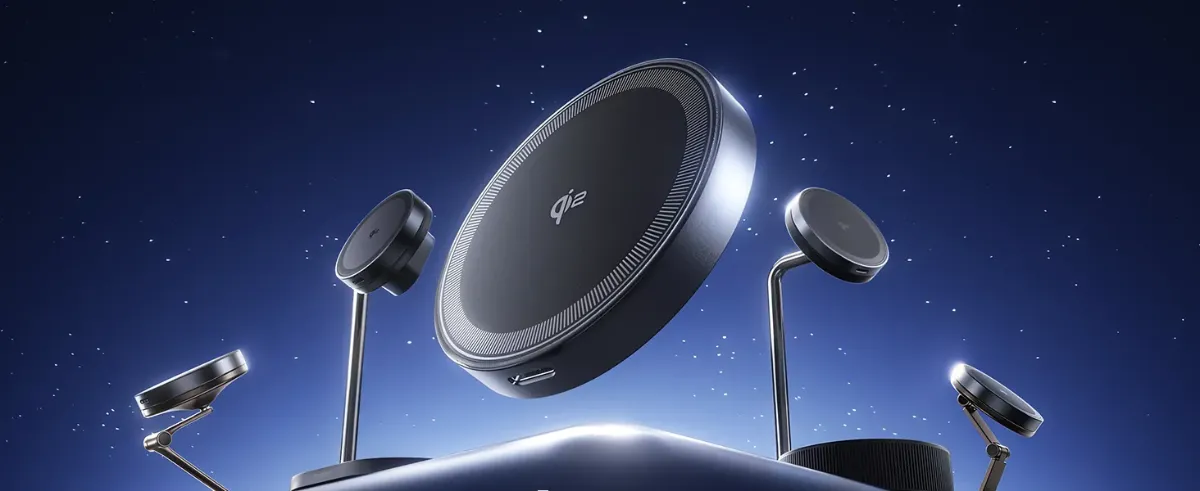
Tired of tangled cords? ⚡ Introducing the #Qi2 Magnetic Charger! 🔋
• 🔋Effortless, dual-sided magnetic charging
• 🚀Power up anywhere, anytime!
【Qi2 Certified Wireless Charger】THREEKEY wireless charger is officially Qi2 certified and MagSafe compatible, ensuring precise magnetic alignment for safe and fast charging. This product can output up to 15W of power for high-speed charging, which is 2x faster than 7.5W wireless chargers, enhancing your charging experience.
【Safety & Reliable】This MagSafe charger features high thermal conductivity graphene material and is equipped with a multi-layer heat dissipation structure, effectively supporting heat dissipation.
【Wide Compatibility】This Qi2 magnetic charger is compatible with your iPhone 16/15/14/13/12 series & Samsung Galaxy S25 Ultra/S25 Plus/S25, and works with other iOS and Android devices that support wireless charging (which can be used with MagSafe cases or magnetic rings).
【Exquisite Design & Compact and Portable】The wireless charger is made of high-strength tempered glass and V0-rated flame-retardant materials, featuring a fine matte texture and a premium appearance.
【Dual-sided Magnetic & Multiple Use】THREEKEY magnetic charger features a "dual-sided magnetic" design. One side is capable of magnetic charging and the other side can be used in a variety of scenarios with magnetic mounts.
Comment